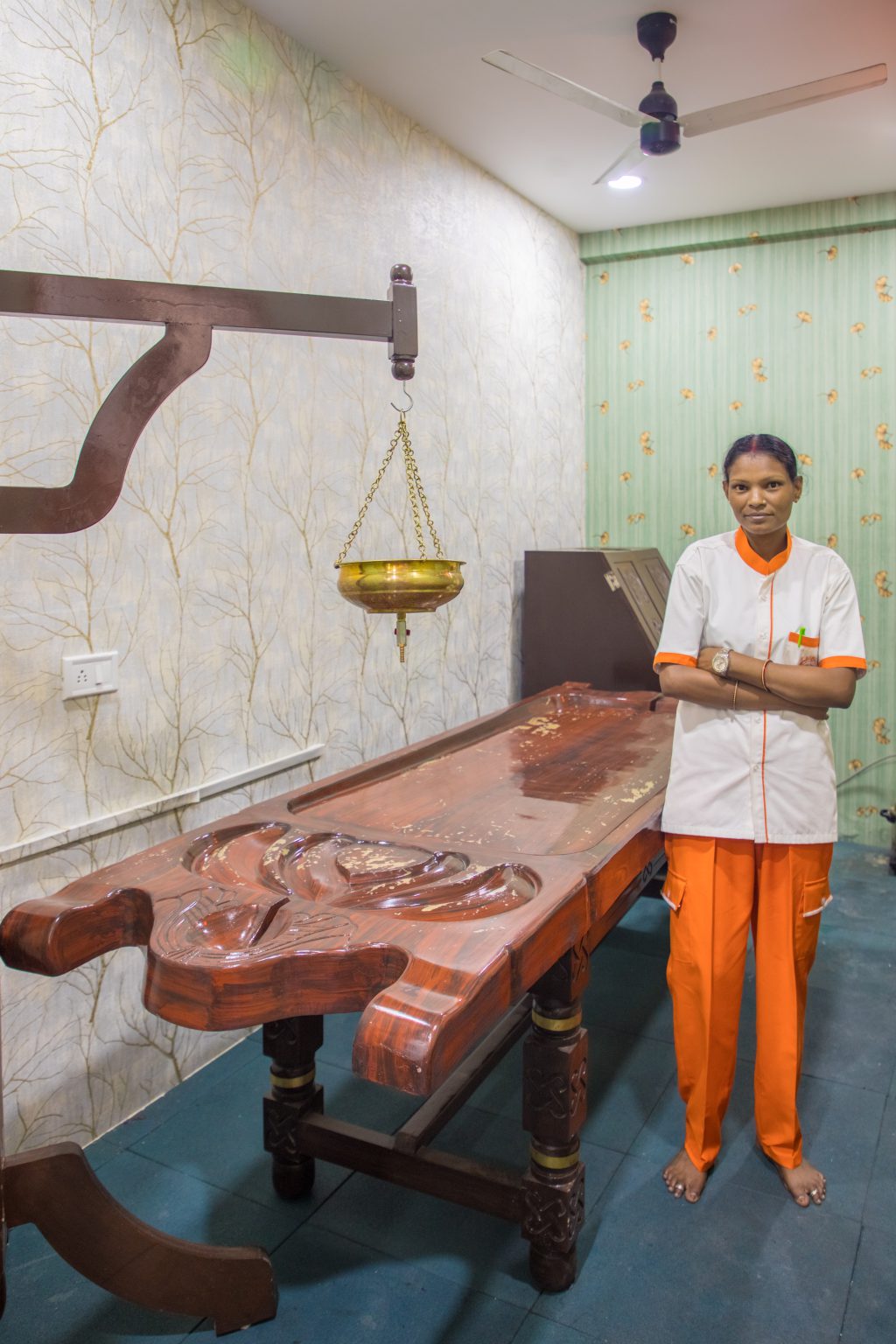
We at Garbha Veda use the Panchakarma methods for the treatment of infertility. Panchakarma is a popular Ayurvedic method. It helps treat childlessness by removing the unique elements of the body through purification of the body.
Improper digestion causes waste materials to accumulate in the body, leading to many diseases. In Panchakarma, all such waste materials get removed from several body parts like the bladder, sweat glands, lungs, stomach, and intestines, making the body more active and energetic and improving the mental level.
Snehana, or Oleation Therapy, is a crucial therapy type that braces the body to receive Panchakarma treatment. It involves the use of oils, ghee, and particular herbs in the body. This is one of the vital steps of the complete process as it loosens toxins in the body and also betters doshas while facilitating their expulsion during the Panchakarma phase.
There are two common kinds of Snehana:
In Abhyantara Snehana step is to prepare the patient's body for herbal ingestion. While during Bahya Snehana, massages with medicated oils are given to the disease-affected and nearby areas of the body. Both types of Snehana are performed to channel and accumulate the body's toxins.
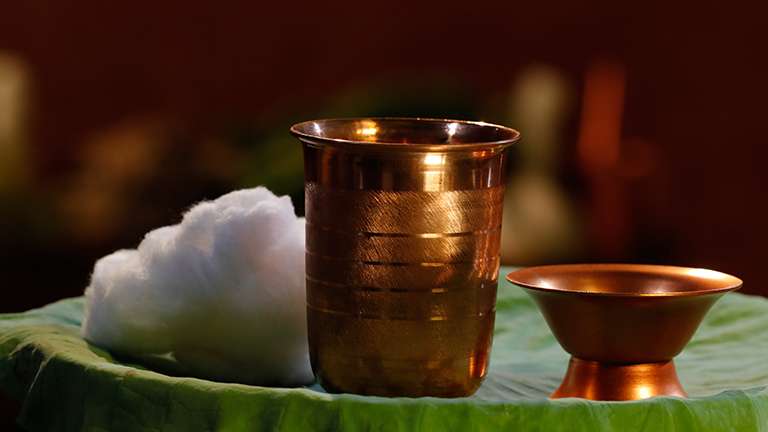
Swedana, or Sudation Therapy, involves generating sweat in the patient. It channels toxins within the body to areas from where the system can quickly remove them throughout the treatment. It is the last procedure of Purvakarma and a crucial stand-alone treatment.
The therapy can also be referred to as a cleansing-cum-stress relieving process suggested for patients struggling with ailments like asthma, digestion problems, and body inflammation.
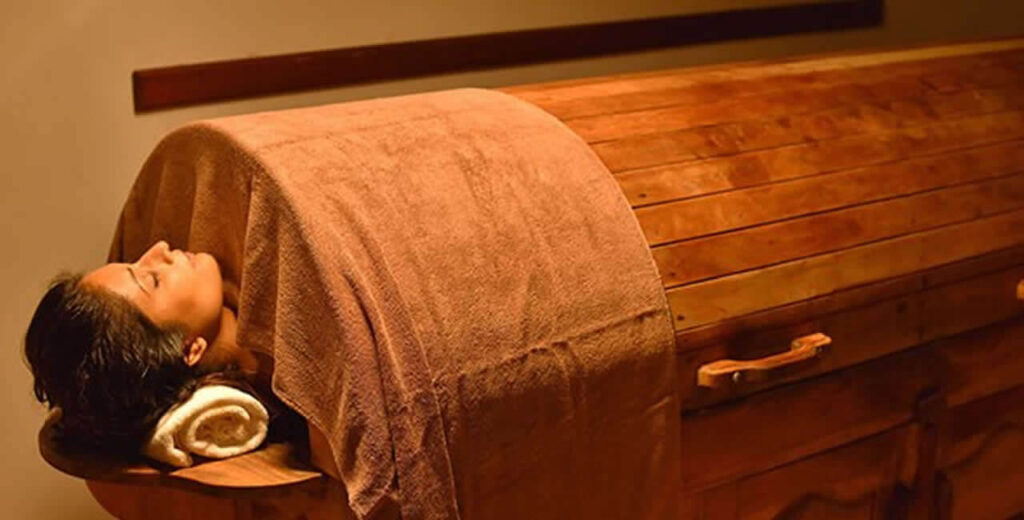
It is one of the vital steps of the treatment. Being a natural method, it helps to detoxify the body. Besides, the process has the ability to adjust the biological rhythm of the body and promotes self- healing.
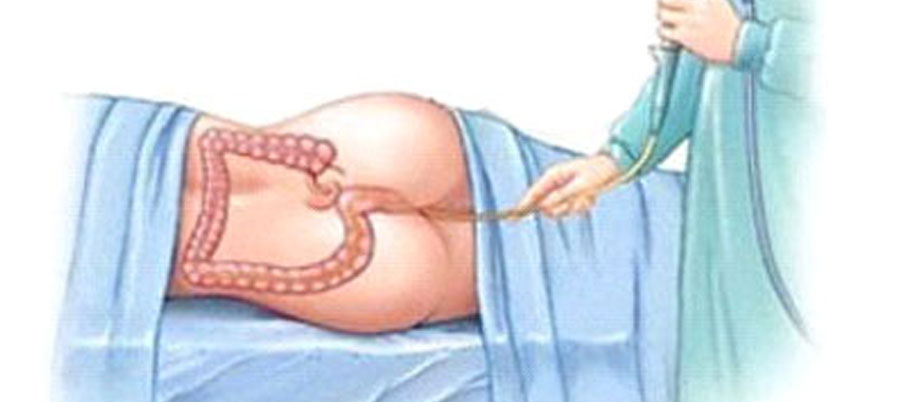
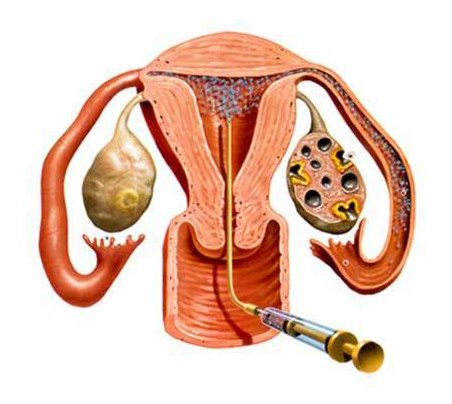
Uttar Basti is a necessary procedure of Panchakarma treatment as it helps with the Genito– urinary disorders for males as well as females. The treatment includes the use of a distinctive
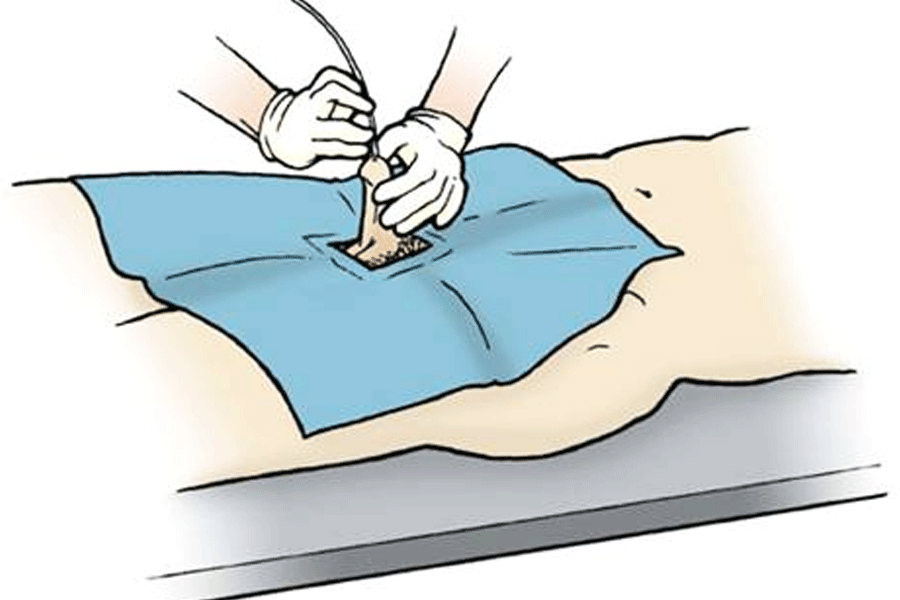
In this process, medicine is infused in the females' uterus or males' bladder while following all the aseptic precautions.
The approach runs for 15-20 minutes and is operated for three straight days or as needed.
This process is helpful in infertility, unplanned abortions, fibroids, tubal blockages, and plenty more.
Indications:
Procedure: This is an OPD-based process
Benefits:
Symptoms :
Procedure: This is an OPD-based procedure
Primary Benefits:

In this procedure, the person undergoing treatment is made to vomit. Due to this, all the waste products of the body get collected in the upper part of the body. To bring it out, medicine for vomiting is given. For this, oilation and foamation process have to be passed.
This is the second procedure of Panchakarma therapy, which is called the process of excretion. In this process, herbs are fed, and waste material is removed from the intestine.
"नासा हि शिरसो द्वारम"||
This is the third procedure of Panchakarma; in this procedure, by giving medicine through the nose, the waste materials are taken out from the upper part, i.e., the head part.
This procedure we do for Repeated abortion because nasal drops directly act on the Pituitary axis and help to regulate all the hormones. Even In PCOS, hormonal regulation for ovulation can be made with a Nasal drop or Nasya procedure by deciding particular timings According to one’s menstrual cycle.
In this procedure, liquid beverages like milk, ghee, and oil are used to remove toxins from the body. In this process, the beverages are delivered into the rectum.
The fifth and final procedure of Panchakarma is Raktmokshana. In this process, bad blood is cleaned from the body. This process is the most important process of Panchakarma.
To enjoy all such benefits, get Panchakarma done from us. Let’s connect over.
Book Consultation


 garbhveda@gmail.com